


When to Climb Kilimanjaro ?
When to Climb Kilimanjaro ?
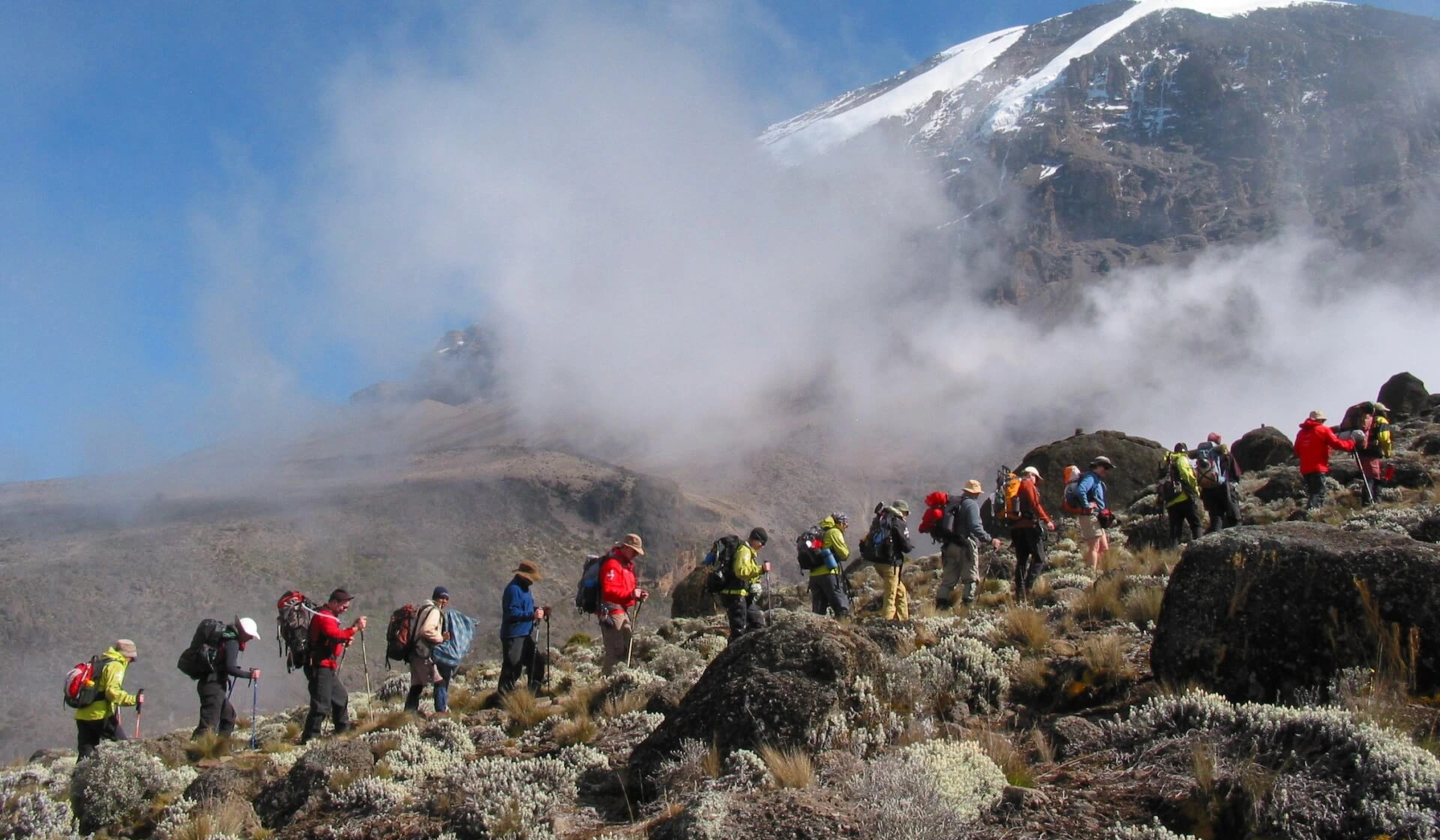
Climbing Mount Kilimanjaro is best done during the dry seasons, from late June to October and December to February. These months offer the most stable weather, with clear skies and less rain, ensuring optimal conditions for summit attempts. The rainy seasons, from March to May and November, bring unpredictable weather, making the climb more challenging. However, the dry seasons also see more climbers, so early booking is recommended for a smoother experience.
Factors to Consider Before Choosing the Right Time
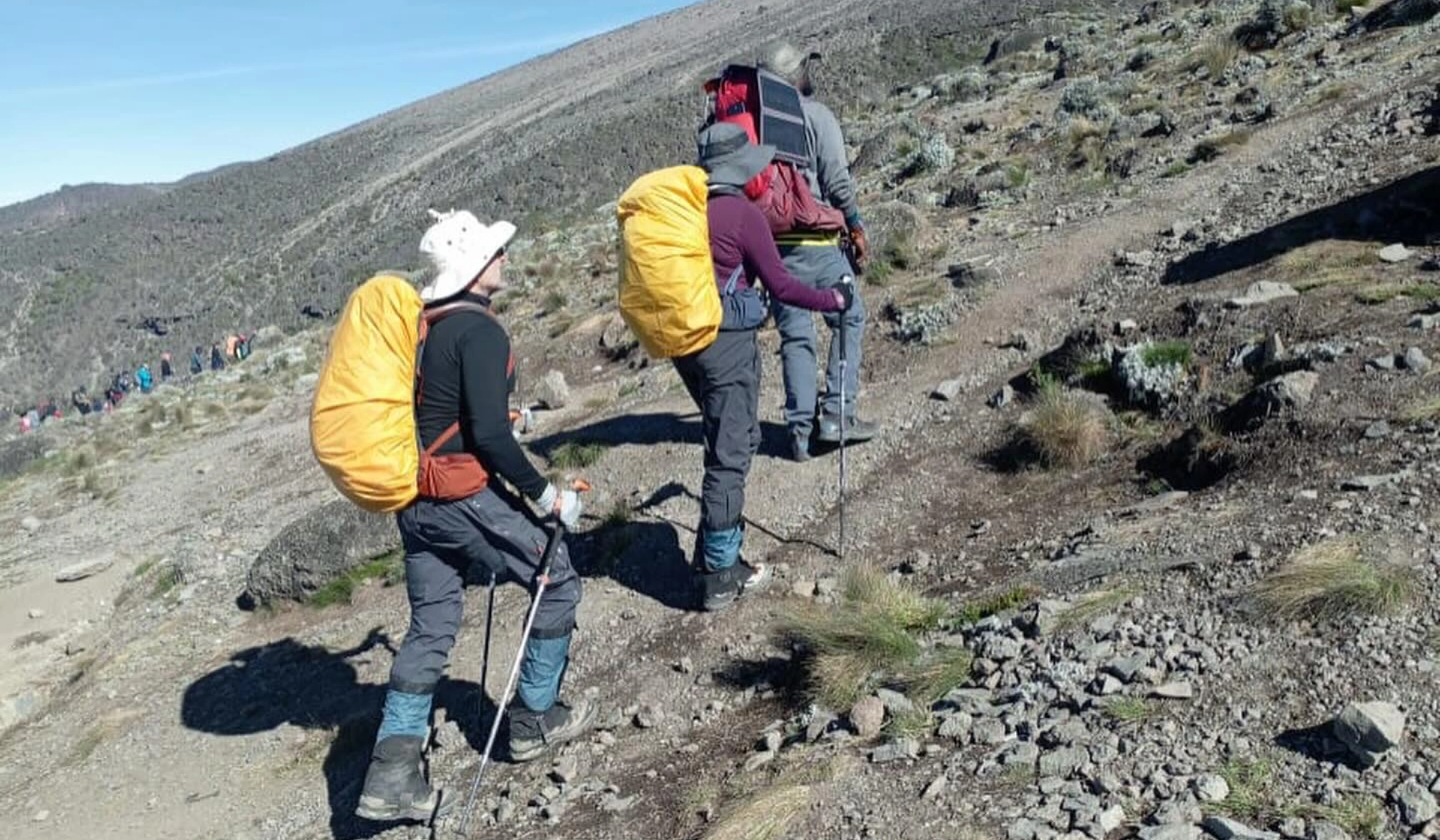
Before choosing the Best Time to Climb Kilimanjaro, consider weather conditions, your fitness level, crowd preferences, and budget. The dry seasons offer optimal conditions, while the rainy seasons may bring tougher challenges and fewer climbers.

Crowds
Choosing the right time to climb Kilimanjaro can impact your experience. Peak seasons (June–October and December–February) see more climbers, leading to busier routes and longer waits. If you prefer a quieter trek, consider traveling during the shoulder seasons (March–May or November), though the weather can be unpredictable. Expect fewer climbers and more serene surroundings, but be prepared for variable conditions.

Temperature Preferences
Kilimanjaro's climate varies with altitude. Lower altitudes are warm, while the summit can experience freezing temperatures. If you prefer moderate conditions, the dry months (June–October) offer more comfortable trekking temperatures. Ensure you pack layers, as temperatures can drop drastically, especially at night or near the summit.

Budget
Your budget can influence the best time to climb Kilimanjaro. High season (June–October) tends to be pricier, with more tour operators, while shoulder months (November–February) might offer better rates due to fewer climbers. Consider the trade-off between lower costs and potentially less favourable weather conditions.

Route Selection
Different routes offer unique experiences, and choosing the right one depends on your schedule and fitness. Popular routes like Machame and Marangu are busier but offer great views. Less crowded options like Lemosho and Northern Circuit provide a more scenic, quieter journey but may require more time for acclimatization.
Climbing Kilimanjaro – A Month-By-Month Guide
January to March (Dry Season)
The beginning of the year marks a great time to climb Kilimanjaro, as it falls within the dry season. These months offer stable weather, clear skies, and moderate temperatures, making it ideal for summit attempts. With fewer crowds compared to peak season, you’ll enjoy a quieter trek. However, temperatures at the summit can still dip below freezing, so it’s crucial to pack appropriately.
April to June (Rainy Season)
From April to June, Kilimanjaro experiences its long rainy season. Expect heavy showers, especially in the lower altitudes, making trails slippery and more challenging. Although fewer climbers attempt the trek during this period, the conditions can be less than ideal for a safe and comfortable climb. If you decide to go during this time, be prepared for tougher conditions and reduced visibility.
July to October (Peak Season)
The dry season returns in July, lasting until October, offering the best conditions for climbing Kilimanjaro. Expect warmer weather at lower altitudes and clear skies at the summit. However, this is also the most popular time to climb, leading to busier routes and higher costs. If you're planning to go during these months, early booking is recommended.
Find The Best Time to Conquer Kilimanjaro’s Majestic Peak
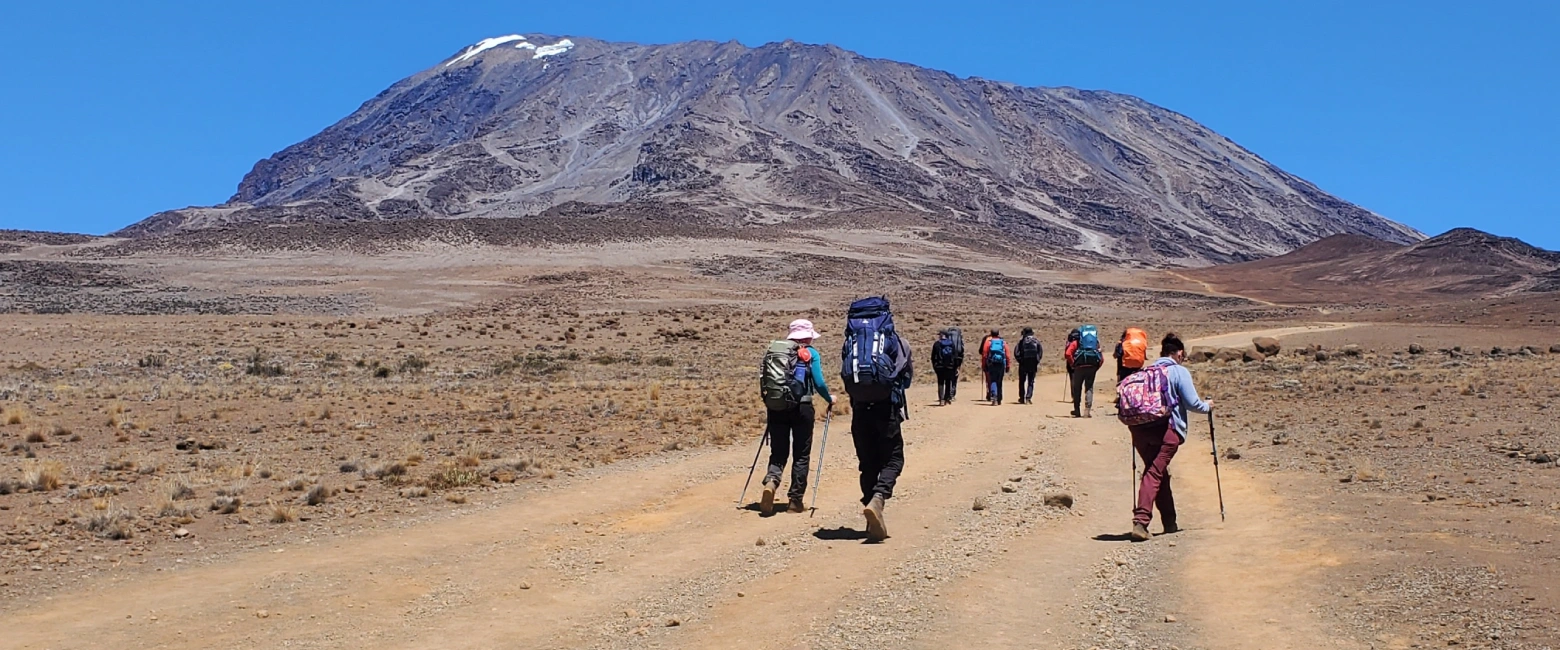
The Best months to climb Kilimanjaro are from June to October and December to February. These dry seasons offer clear skies, stable weather, and moderate temperatures, providing ideal conditions for reaching the summit. The peak months, particularly in summer, are busy, so early bookings are strongly recommended for securing your spot.

Best Months to Climb
The optimal months to climb Kilimanjaro are from June to October and December to February. These dry seasons offer clear skies, stable weather, and moderate temperatures, providing ideal conditions for reaching the summit. The peak months, particularly in summer, are busy, so early bookings are recommended.

Weather by Season
Kilimanjaro experiences two primary weather patterns: the dry season (June–October and December–February) and the rainy season (March–May and November). During the dry season, conditions are mild, with sunny days and cool nights. Rainy months bring unpredictable weather, rainfall, and cloud cover, making climbs challenging.
Kilimanjaro Travel Guide
Your ultimate Kilimanjaro travel guide - best times, tips, and experiences.
View All Guide
Praise from Satisfied Members
Members' positive feedback and experiences shared.

Chaim Wachsberger & Family
Member Since 2020, California.Our trip exceeded our expectations; Our guide was outstanding in every sense and contributed to the success of our trip. The hotel selections were excellent, we would not hesitate to recommend your services in the future

Birgit & Ann Kristin
Member Since 2018, Los AngelesWe just want to say thank you for the wonderful safari we had October 2005! It was just fantastic and our driver was really nice!!! We had so much fun and it was so exiting! We will of course recommend you to all our friends if they are going to Tanzania, and we hope to come back again someday.

Tamra Hackett
social activist, PortlandFidelis a driver guide was outstanding, I felt very safe at all times and very much enjoyed the drives each day, I would definitely hire him again - 7th August, 2005
William Schweri
Member Since 2020, California.Jeremia he was extremely knowledgeable and kept us informed, Brilliant trip, very professional operation (Jeremia is the best guide in East Africa)
Rose Whitcomb
Member Since 2020, California.“Just want to pass on my thanks to your team for all their hard work in helping me to put this large booking together to Tanzania. You have been very patient and answered all my questions promptly and dealt with the special requests efficiently”.