


Kilimanjaro Tipping Guide
Kilimanjaro Tipping Guide
Tipping on Mount Kilimanjaro is a vital part of the trekking experience, acknowledging the dedication of guides, porters, and cooks. The recommended tipping range is $10–$20 per trekker, per day, with the total distributed among the team at the end of the trek. Tipping can vary based on group size and level of service, so it’s essential to plan ahead. It’s customary to pool the tips and present them collectively, ensuring fair compensation for the crew's hard work.
Things To Know About Tipping in Climb Kilimanjaro
Tipping on Kilimanjaro isn’t optional—it’s a vital part of the trekking culture. It directly supports your mountain crew, boosts morale, and ensures fair treatment. Understanding when, how, and how much to tip makes your climb more meaningful.

When to Tip
The most common time to tip your Kilimanjaro Crew is at the end of your climb during a special tipping ceremony. It’s a heartfelt moment to show gratitude for their dedication, support, and encouragement. Prepare your tips in advance so you can focus on celebrating your summit success.

Who to Tip
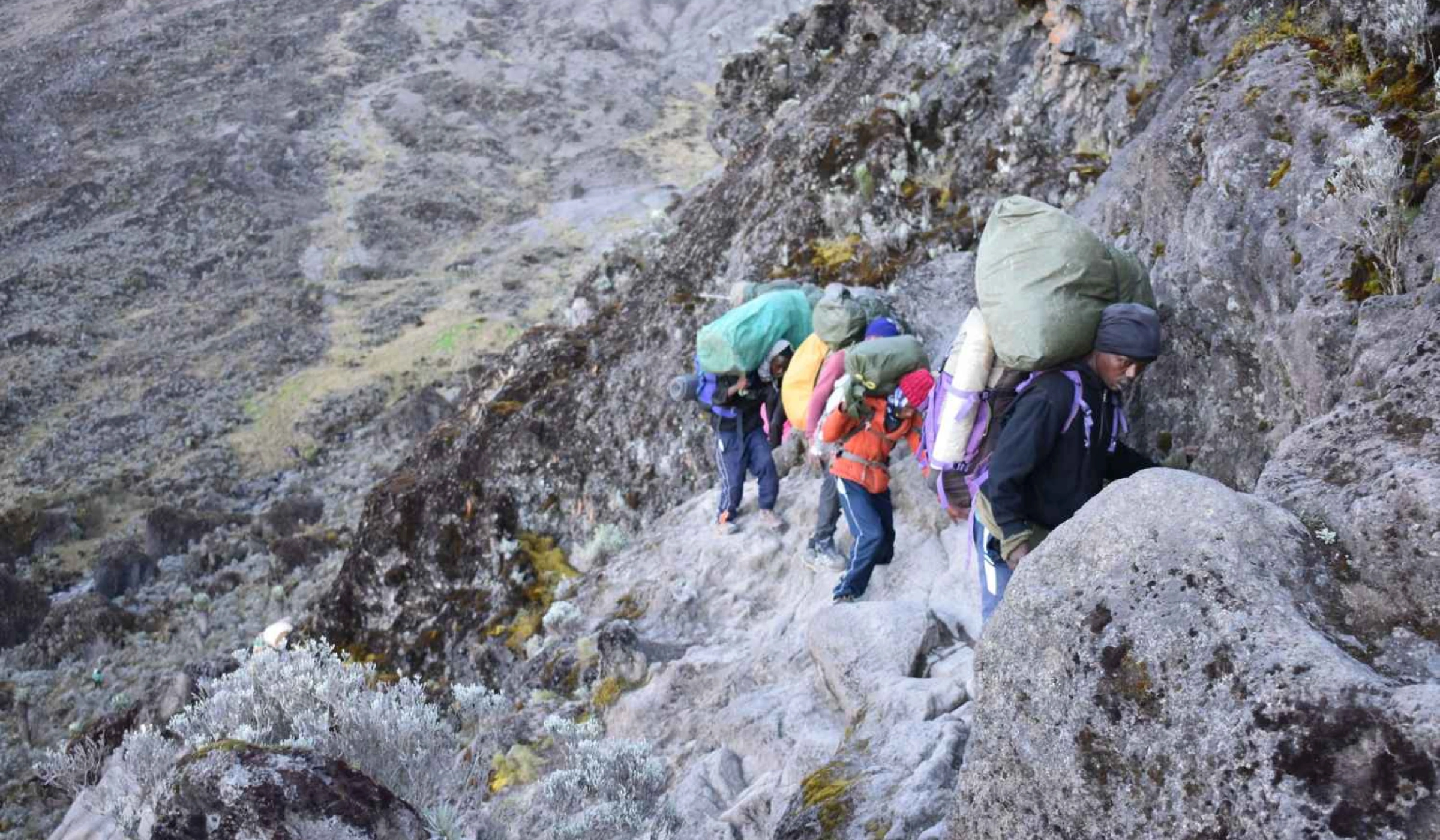
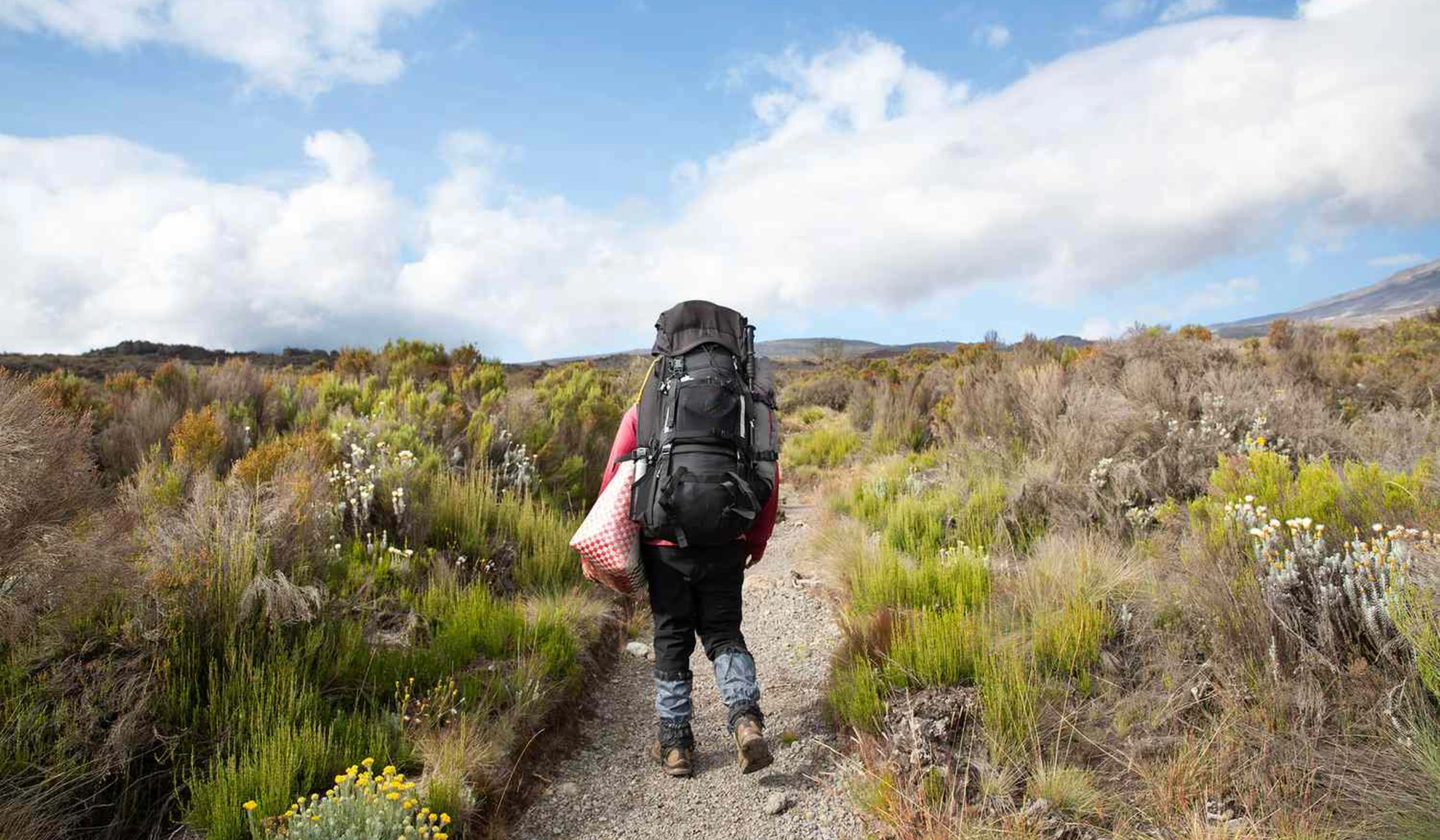
Your Kilimanjaro Experience is made possible by an incredible team—tip your lead guide, assistant guides, cooks, and porters. Every member plays a vital role, from navigating trails to carrying gear and preparing warm meals. A fair and thoughtful tip is a powerful thank you for their hard work.

Total Tip Amount
For most 7–8 day treks, climbers should expect to contribute about $250–$300 total per person for the entire mountain crew. This amount, based on KPAP standards and our recommendations, ensures fair wages and reflects the life-changing effort your dedicated team puts into helping you reach the summit.

How Much to Tip
As a guideline: Lead guides typically receive $15–20/day, assistant guides and cooks $10–15/day, and porters $8–10/day. These amounts reflect industry standards and can be adjusted based on service, group size, and route length. Exceptional service? Feel free to tip more to express extra appreciation.
Impact of Tipping on Local Communities
Tipping provides essential income support for many mountain crew members—guides, porters, cooks—whose base wages are modest. For many, tips make up a sizeable portion of their livelihood, helping them cover household expenses, healthcare, and schooling. This supplemental income can mean the difference between financial stress and stability in families living in communities around Kilimanjaro.
Beyond direct income, tipping has ripple effects in the wider local economy. When crew members receive tips, they tend to spend much of that money locally—on food, goods, services, and transport. Local shops, markets, food producers, and service businesses benefit. This circulation of tipping revenue strengthens small businesses and helps economic activity in villages and towns near the mountain.
Moreover, consistent and fair tipping builds respect and fosters ethical practices in the trekking industry. It encourages tour operators to follow fair labour policies (such as reasonable porter loads, safe working conditions), and motivates workers to maintain high standards of service. This not only improves the trekking experience for climbers, but also gradually contributes to raising the quality of life and norms of employment in these remote mountain communities.
Why Kilimanjaro Tipping Is So Essential?
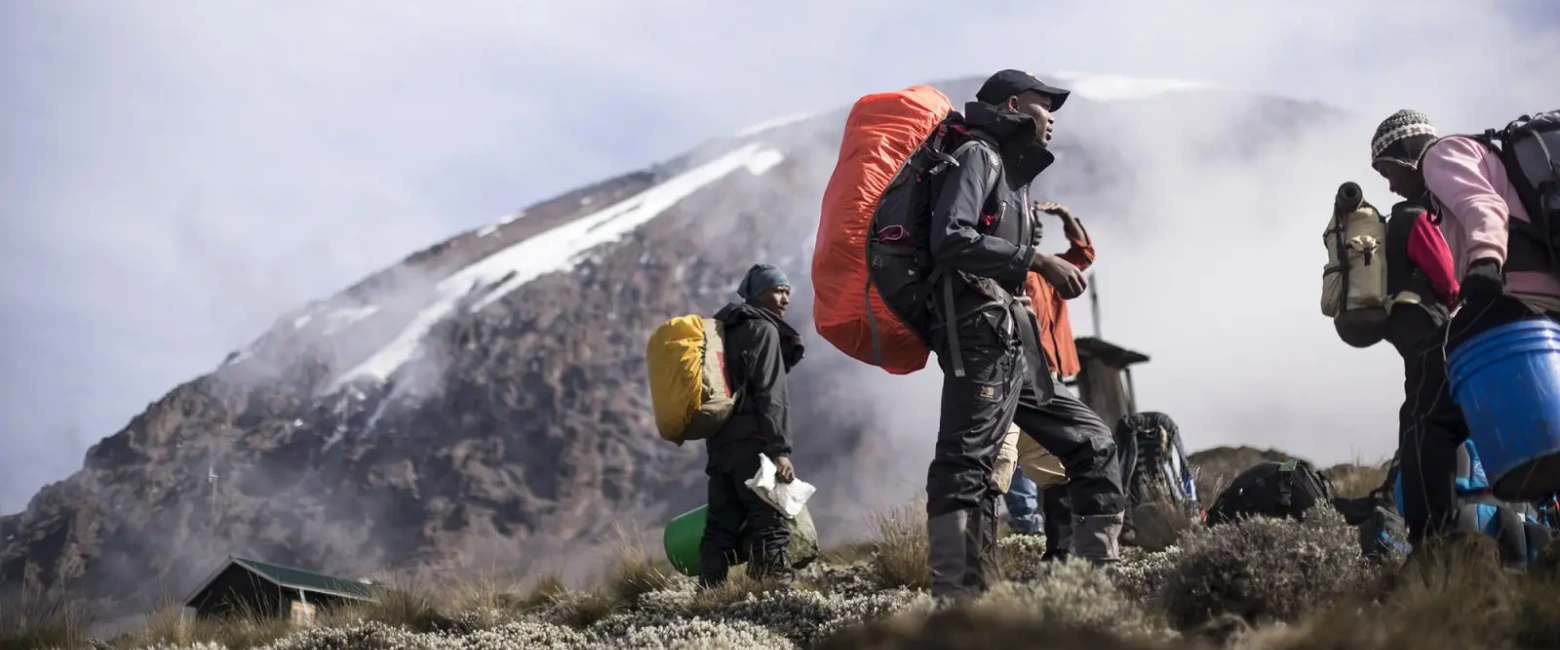
Tipping on Kilimanjaro is essential to reward the hard work of guides, porters, and cooks who ensure your safety and comfort. It helps sustain their livelihoods and fosters a positive, respectful trekking experience for all.
Crew Appreciation
Every person on your Kilimanjaro Trek—guides, porters, cooks—works hard in difficult conditions to ensure your safety, comfort and summit. Tipping is a direct way to show you value their effort. This gratitude boosts morale and helps them feel seen and respected for the often unseen labour behind the climb.

Team Motivation
When porters, guides and cooks see recognition—through words, respect, and tips—it motivates them to maintain high service even under hardship. That motivation not only improves your experience (better food, care, safety), but also leads to stronger teamwork, camaraderie, and pride among the crew.
Kilimanjaro Travel Guide
Your ultimate Kilimanjaro travel guide - best times, tips, and experiences.
View All Guide
Praise from Satisfied Members
Members' positive feedback and experiences shared.

Chaim Wachsberger & Family
Member Since 2020, California.Our trip exceeded our expectations; Our guide was outstanding in every sense and contributed to the success of our trip. The hotel selections were excellent, we would not hesitate to recommend your services in the future

Birgit & Ann Kristin
Member Since 2018, Los AngelesWe just want to say thank you for the wonderful safari we had October 2005! It was just fantastic and our driver was really nice!!! We had so much fun and it was so exiting! We will of course recommend you to all our friends if they are going to Tanzania, and we hope to come back again someday.

Tamra Hackett
social activist, PortlandFidelis a driver guide was outstanding, I felt very safe at all times and very much enjoyed the drives each day, I would definitely hire him again - 7th August, 2005
William Schweri
Member Since 2020, California.Jeremia he was extremely knowledgeable and kept us informed, Brilliant trip, very professional operation (Jeremia is the best guide in East Africa)
Rose Whitcomb
Member Since 2020, California.“Just want to pass on my thanks to your team for all their hard work in helping me to put this large booking together to Tanzania. You have been very patient and answered all my questions promptly and dealt with the special requests efficiently”.