

The Best Time to Climb Kilimanjaro is during the dry seasons – January to mid-March and June to October. These periods offer more stable weather and better climbing conditions. The skies are generally clearer, and there is a lower chance of rainfall, making it more enjoyable to ascend the mountain.
Kilimanjaro FAQs
Safari Faq's
Tanzania Safari Faq's
Kilimanjaro FAQs cover essential information for prospective climbers, such as the best time to climb, required fitness levels, and available routes. Common questions address the difficulty of the climb, the necessary gear, and how to prepare for altitude sickness. Climbing Kilimanjaro involves various costs, from park fees to tips for guides and porters. Understanding these details helps ensure a safe, enjoyable journey to the summit, whether you're a first-timer or an experienced trekker. Here we have compiled a list of Kilimanjaro Frequently Asked Questions to help you plan your Mount Kilimanjaro Climbing.
-
What is the best time to climb Kilimanjaro?
Read Answer -
How difficult is the climb?
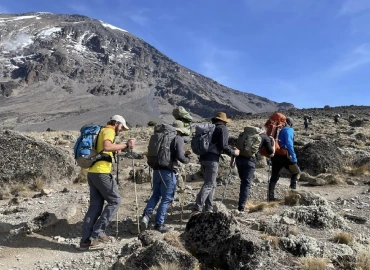
Read AnswerThe difficulty level of Climbing Mount Kilimanjaro varies depending on the chosen route. Routes like Marangu and Rongai are considered easier, as they have gentler gradients and shorter durations. On the other hand, Kilimanjaro Routes like Machame and Lemosho are more challenging due to steeper sections and longer trekking days. Overall, Kilimanjaro is a physically demanding climb, and climbers should be in good physical condition and mentally prepared for the altitude and long days of trekking.
-
Do I need climbing experience to climb Kilimanjaro?
Read AnswerWhile prior climbing experience is beneficial, it is not mandatory to Climb Mount Kilimanjaro. Many successful climbers with good fitness and determination reach the summit. However, being physically fit and participating in some preparatory hikes or trekking at high altitudes can help increase your chances of reaching the summit.
-
What permits do I need to climb Kilimanjaro?
Read AnswerClimbers require a Mount Kilimanjaro Climbing permit, which is issued by the Kilimanjaro National Park Authorities. Your tour operator will arrange the necessary permits as part of the package. You typically need a Kilimanjaro National Park permit, camping and hut fees, and possibly a rescue fee. Non-Tanzanian climbers require a valid Tanzanian visa. However, verify current requirements before planning your ascent.
-
How long does it take to climb Kilimanjaro?
Read AnswerThe duration of a Mount Kilimanjaro Climb varies with the chosen route. On average, climbs range from 5 to 9 days, with additional days included for acclimatization purposes. Longer routes tend to have higher success rates as they allow for better acclimatization.
-
What kind of accommodation is available?
Read AnswerClimbers can choose between camping accommodations or huts on some Kilimanjaro Routes, like the Marangu Route. Camping is the most common option and offers a closer connection to nature. Tents and sleeping gear are provided, and campsites are set up along the routes.
-
How high is Mount Kilimanjaro?
Read AnswerMount Kilimanjaro stands at 5,895 meters (19,341 feet) above sea level, making it the highest freestanding mountain in the world. Climbing to the summit, Uhuru Peak, is a challenging feat, and altitude becomes a significant factor during the ascent.
-
Is altitude sickness a concern?
Read AnswerYes, Altitude Sickness is a real concern during the climb. As you ascend higher, the air pressure decreases, leading to lower oxygen levels. It is essential to choose a slower Kilimanjaro Route with ample acclimatization days, stay hydrated, and listen to your body. Guides are trained to monitor climbers' health and recognize symptoms of altitude sickness to ensure a safe Mount Kilimanjaro Climb.
-
Do I need to hire a guide and porters?
Read AnswerHiring a certified guide is mandatory for all climbers on Kilimanjaro. Guides are experienced in leading climbs and ensuring safety. Additionally, Kilimanjaro Porters are highly recommended to assist with carrying equipment, food, and camping gear. So that climbers can focus on the climb without carrying heavy loads.
-
Can I climb Kilimanjaro solo?
Read AnswerClimbing Mount Kilimanjaro without a guide is not allowed. Solo climbers must join organized group climbs with experienced guides for safety reasons. Group climbs are not only safer, but they also support throughout the journey. By joining a guided group climb, you'll have professional assistance and increased chances of a successful summit.
Travel Guide
Kilimanjaro Travel Guide
Your ultimate Kilimanjaro travel guide - best times, tips, and experiences.
View All Guide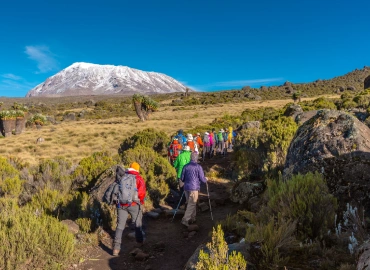
Feedback
Praise from Satisfied Members
Members' positive feedback and experiences shared.
05 Dec 2008

Chaim Wachsberger & Family
Member Since 2020, California.Our trip exceeded our expectations; Our guide was outstanding in every sense and contributed to the success of our trip. The hotel selections were excellent, we would not hesitate to recommend your services in the future
05 Dec 2008

Birgit & Ann Kristin
Member Since 2018, Los AngelesWe just want to say thank you for the wonderful safari we had October 2005! It was just fantastic and our driver was really nice!!! We had so much fun and it was so exiting! We will of course recommend you to all our friends if they are going to Tanzania, and we hope to come back again someday.
05 Dec 2005

Tamra Hackett
social activist, PortlandFidelis a driver guide was outstanding, I felt very safe at all times and very much enjoyed the drives each day, I would definitely hire him again - 7th August, 2005
05 Dec 2005
William Schweri
Member Since 2020, California.Jeremia he was extremely knowledgeable and kept us informed, Brilliant trip, very professional operation (Jeremia is the best guide in East Africa)
12 Nov 2010
Rose Whitcomb
Member Since 2020, California.“Just want to pass on my thanks to your team for all their hard work in helping me to put this large booking together to Tanzania. You have been very patient and answered all my questions promptly and dealt with the special requests efficiently”.