


Kilimanjaro Altitude Sickness
Kilimanjaro Altitude Sickness
Altitude sickness is a common concern when Climbing Mount Kilimanjaro due to the rapid gain in elevation. Symptoms can include headaches, nausea, dizziness, and fatigue, typically occurring above 2,500 meters. Understanding the risks and preparing properly is essential for a safe ascent. Most climbers adjust well with gradual acclimatization, proper hydration, and a slow pace. Recognizing early signs and following your guide’s advice greatly reduces the risk and helps ensure a successful, healthy summit experience.
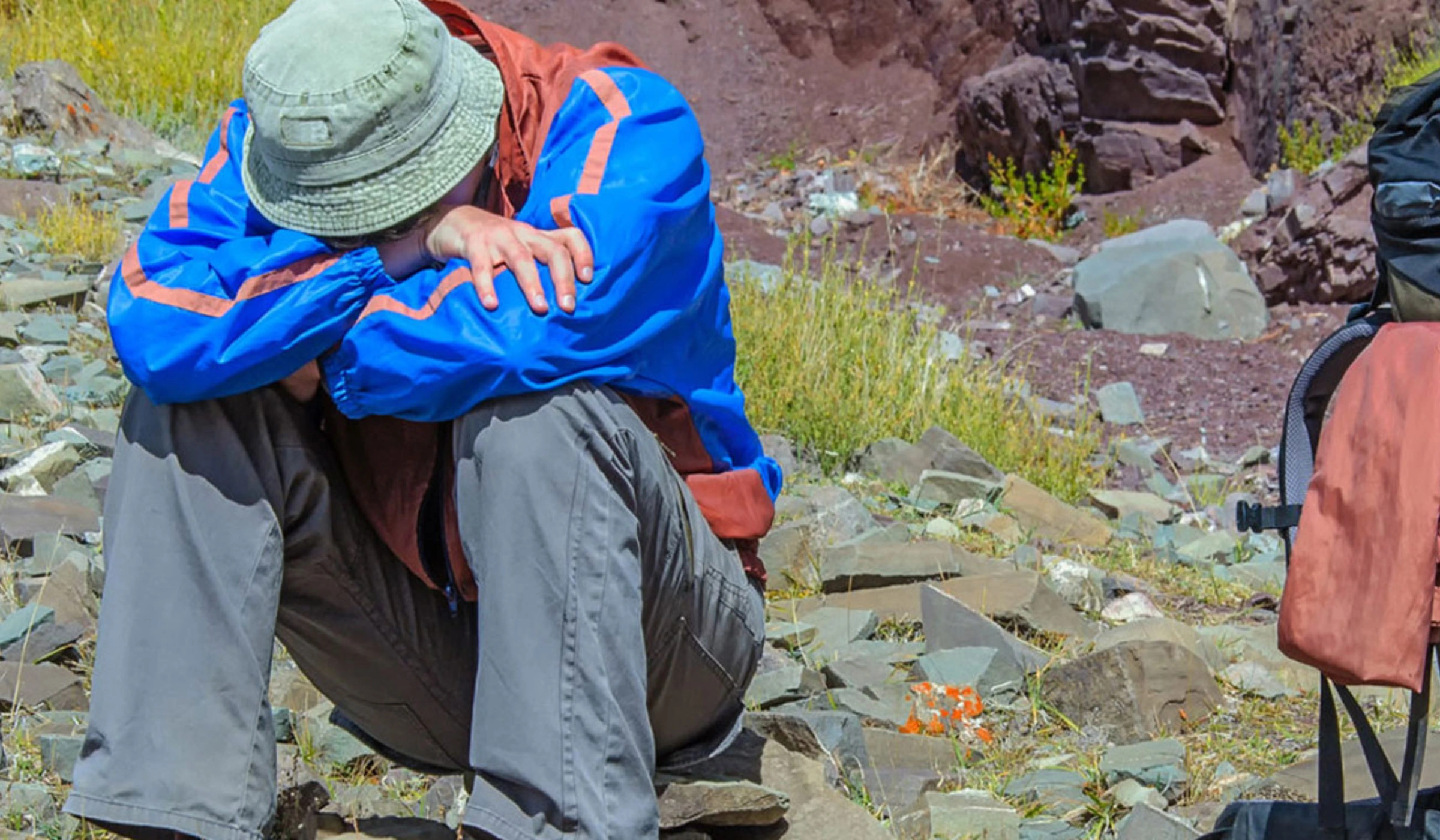
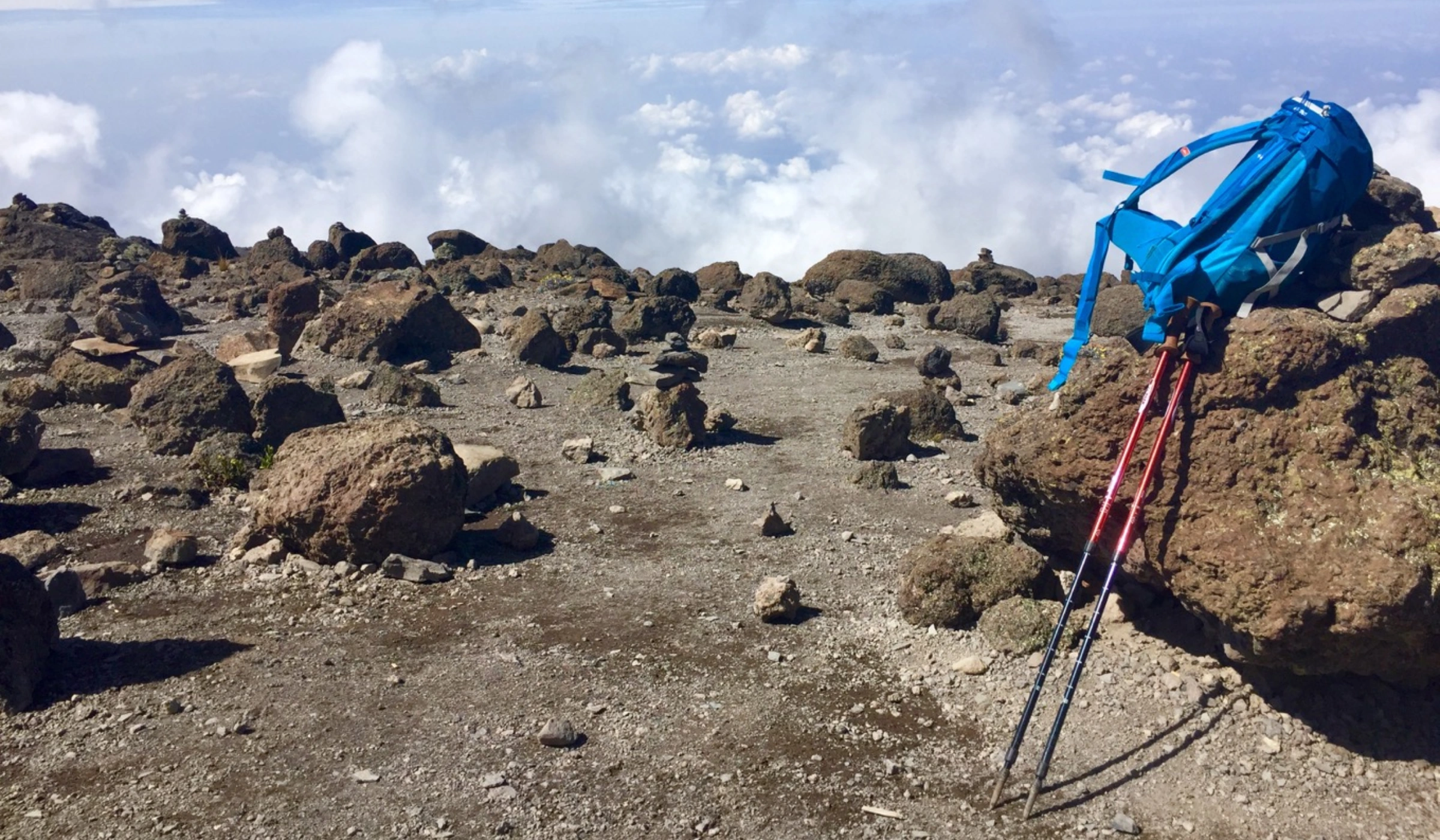
How To Prevent Altitude Sickness
Prevent altitude sickness on Kilimanjaro with smart strategies like gradual ascent, proper hydration, and listening to your body. Learn essential tips to stay healthy, acclimatize effectively, and increase your chances of reaching the summit safely.

Acclimatization
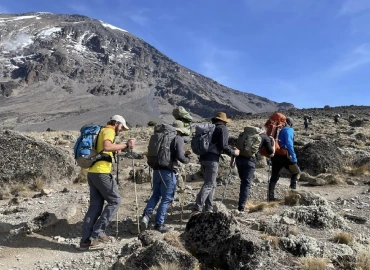
Gradual ascent is key to acclimatization on Kilimanjaro. Choose longer routes like Lemosho or Machame for better altitude adjustment. These routes allow your body time to adapt, reducing the risk of sickness and increasing summit success. Remember—Climb high, sleep low is a golden rule on the mountain.

Proper Hydration
Staying hydrated is essential for combating altitude sickness. Drink 3–4 liters of water daily, even if you’re not thirsty. Carry a reusable water bottle or hydration bladder for convenience. Adding electrolyte tablets helps replenish lost minerals, especially on longer hiking days. Avoid alcohol and caffeine while trekking.

Medication
Consider altitude sickness medication like Diamox (Acetazolamide), commonly used to aid acclimatization. Consult your doctor before your trip for dosage and advice. Some trekkers also bring mild painkillers for headaches. Medication is not a substitute for acclimatization but can offer support, especially on higher altitude days.

Listen to Your Body
Pay attention to how your body reacts during the climb. Symptoms like dizziness, nausea, or headaches shouldn’t be ignored. Always inform your guide if you feel unwell. Resting, descending, or adjusting your pace can prevent more serious issues. Safety always comes before reaching the summit.
Explore The Types of Altitude Sickness
Acute Mountain Sickness (AMS)
AMS is the most common and mildest form of altitude sickness, affecting many Kilimanjaro climbers. It typically occurs above 2,500 meters and presents symptoms like headache, nausea, fatigue, dizziness, and insomnia. While uncomfortable, AMS is manageable with rest, hydration, and a slower pace. Climbers are encouraged to alert guides if symptoms appear, as early intervention can prevent escalation.
High Altitude Pulmonary Edema (HAPE)
HAPE is a serious and potentially fatal condition where fluid accumulates in the lungs due to altitude. It may develop without AMS and is characterized by extreme breathlessness at rest, chest tightness, a persistent cough (sometimes with frothy sputum), and rapid heartbeat. Immediate descent and medical treatment are critical if HAPE symptoms arise.
High Altitude Cerebral Edema (HACE)
HACE is a severe and life-threatening condition involving brain swelling at high altitude. Symptoms include confusion, loss of coordination, hallucinations, and inability to walk. It often follows untreated AMS. Descent is the only effective treatment. Guides on Kilimanjaro are trained to recognize and act quickly in such emergencies.
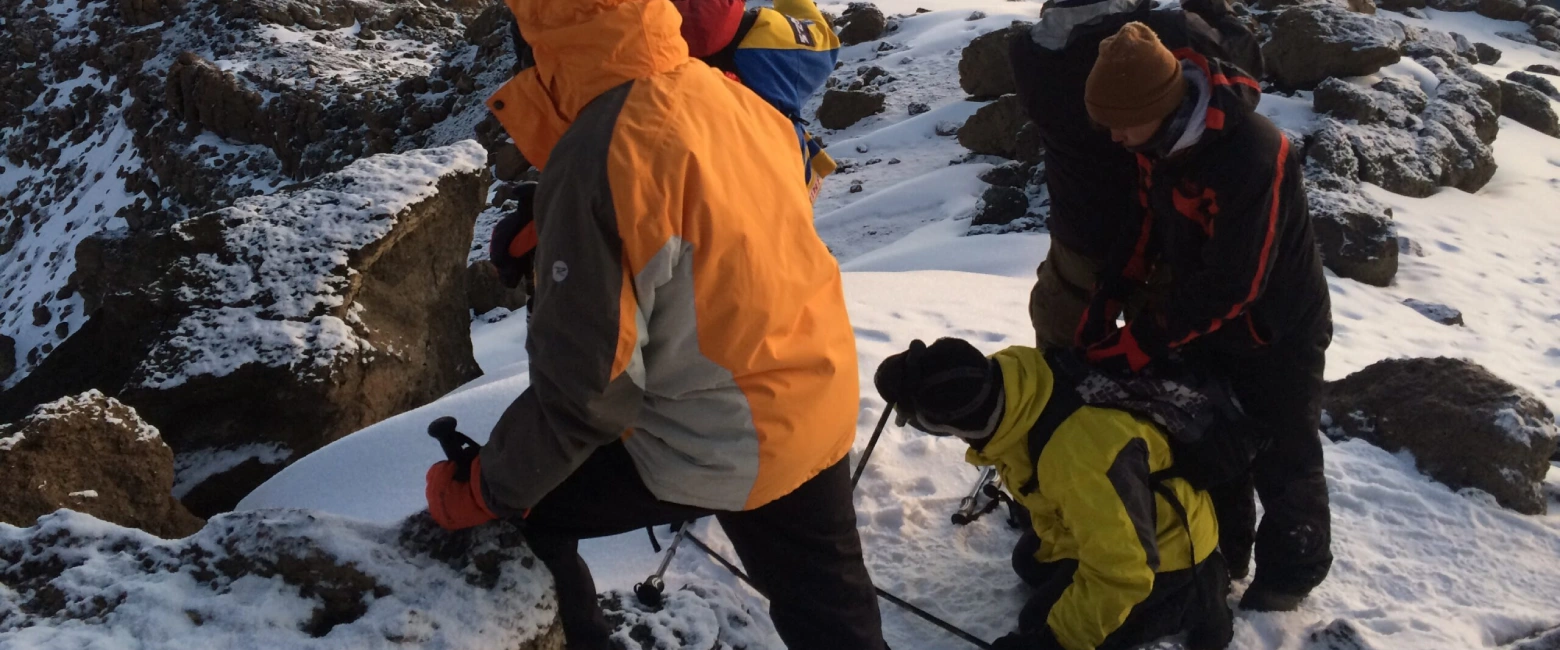
What are the Symptoms of Altitude Sickness
Recognize altitude sickness early with key symptoms like headaches, nausea, dizziness, and fatigue. Learn what to watch for on Kilimanjaro and how to respond quickly to stay safe, healthy, and on track for a successful summit.

Mild Altitude Sickness Signs
Common symptoms of mild altitude sickness include headaches, dizziness, fatigue, loss of appetite, and difficulty sleeping. These signs may seem manageable but should never be ignored. Early recognition and proper rest, hydration, and slow ascent help prevent worsening, ensuring a safer, more comfortable climb on Kilimanjaro.

Severe Altitude Sickness Risks
Severe altitude sickness can escalate into life-threatening conditions like High Altitude Pulmonary Edema (HAPE) and High Altitude Cerebral Edema (HACE). These involve fluid buildup in the lungs or brain swelling, causing severe breathlessness, confusion, or loss of coordination. Immediate descent and medical attention are critical to survival and safety.
Kilimanjaro Travel Guide
Your ultimate Kilimanjaro travel guide - best times, tips, and experiences.
View All Guide
Praise from Satisfied Members
Members' positive feedback and experiences shared.

Chaim Wachsberger & Family
Member Since 2020, California.Our trip exceeded our expectations; Our guide was outstanding in every sense and contributed to the success of our trip. The hotel selections were excellent, we would not hesitate to recommend your services in the future

Birgit & Ann Kristin
Member Since 2018, Los AngelesWe just want to say thank you for the wonderful safari we had October 2005! It was just fantastic and our driver was really nice!!! We had so much fun and it was so exiting! We will of course recommend you to all our friends if they are going to Tanzania, and we hope to come back again someday.

Tamra Hackett
social activist, PortlandFidelis a driver guide was outstanding, I felt very safe at all times and very much enjoyed the drives each day, I would definitely hire him again - 7th August, 2005
William Schweri
Member Since 2020, California.Jeremia he was extremely knowledgeable and kept us informed, Brilliant trip, very professional operation (Jeremia is the best guide in East Africa)
Rose Whitcomb
Member Since 2020, California.“Just want to pass on my thanks to your team for all their hard work in helping me to put this large booking together to Tanzania. You have been very patient and answered all my questions promptly and dealt with the special requests efficiently”.